
Exploring Thermal Transfer Ribbon Performance and Use: A Comprehensive Guide
In the world of thermal printing, one critical component is often overlooked—the thermal transfer ribbon. Among various printing consumables and equipment, thermal transfer ribbons play a vital role in providing high-quality printing. When it comes to achieving the best printing performance, the importance cannot be overemphasized. In this comprehensive guide, we’ll take a deep dive into every aspect of thermal transfer ribbon, exploring its performance, uses, and how it can improve efficiency and quality.
Learn the Basics of Thermal Transfer Ribbons
Thermal transfer printing is a widely used technique that involves using heat to transfer ink from a ribbon to a substrate. As the name suggests, thermal transfer ribbons are a key element in this process. It consists of a Mylar film coated with ink, which can be wax, wax-resin, or resin-based ink. Each type of thermal transfer ribbon has its specific benefits and applications, so choosing the right thermal transfer ribbon for your printing needs is critical.
Improve efficiency with the right thermal transfer ribbon
Selecting the correct thermal transfer ribbon is critical to ensuring an efficient printing operation. The selection process requires a deep understanding of the application and performance requirements. By using the most appropriate ribbon, you can minimize downtime and achieve better print results. When selecting a thermal transfer ribbon, factors such as print speed, durability, and resistance to environmental conditions must be considered.
Applications and Industries that Benefit from Thermal Transfer Ribbons
Thermal transfer ribbons are used in a wide variety of industries including logistics, retail, healthcare and manufacturing. In logistics, it is widely used to print shipping labels and barcodes, ensuring accurate tracking and inventory management. In the retail industry, thermal transfer ribbons provide clear and durable price tags and tags. The healthcare industry has benefited from this technology by printing patient identification bracelets and labels for sample tracking. In addition, manufacturers utilize thermal transfer ribbons to print lot codes, product labels and packaging materials.
Ensure print quality and durability
Print quality and durability are important aspects of any printing operation. The type of thermal transfer ribbon you choose can greatly affect these factors. For example, wax-based ribbons are suitable for printing on paper materials, while wax-based ribbons and resin-based ribbons are more versatile and have excellent durability on various substrates including synthetic materials. By considering your printing requirements and choosing the right ribbon, you can achieve consistent and long-lasting print quality regardless of the substrate.
Caring for Your Thermal Transfer Ribbon
Proper maintenance of thermal transfer ribbons is critical to extending their life and maintaining their performance. First, always store ribbon in a cool, dry environment to prevent damage from moisture or heat. Also, clean the printer and printhead regularly to avoid any debris that could affect print quality. Performing routine inspections and replacing worn ribbons will ensure optimal printing performance.
in conclusion
Thermal transfer ribbons are an essential part of thermal printing, enabling efficient, high-quality output across industries. By understanding its performance characteristics and choosing the right ribbon for your application, you can achieve superior print results while optimizing efficiency. When selecting a thermal transfer ribbon, remember to consider factors such as print speed, durability, and electrical resistance. With proper care and maintenance, ribbons will provide consistent and durable prints that contribute to the overall success of your printing operation.
Tags:
thermal printing, thermal transfer ribbon, printing consumables, equipment, high-quality printing, printing performance, comprehensive guide, performance, uses, improve efficiency


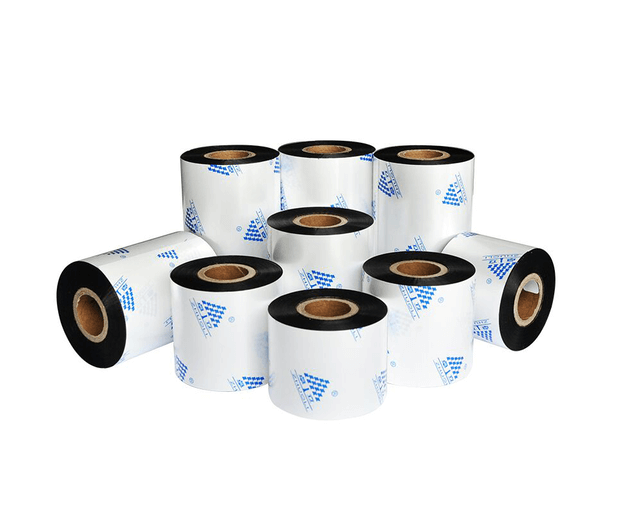


In 1997, Zhuoli began to develop and produce ink rollers, barcode ribbons, thermal coding ribbons, TTO coding tapes and intelligent coding equipment.
Our Product
©1997- ZHUOLI IMGING. ALL RIGHTS RESERVED
Price Inquiry