
Understanding Thermal Transfer Ribbons: Description, Applications and Benefits
In today’s digital age where electronic communication dominates, it is easy to forget the important role that printing plays in various industries. From barcodes on products to shipping labels, the need for high-quality printing solutions is critical to businesses. Thermal transfer ribbons are a technology that has revolutionized the printing industry.
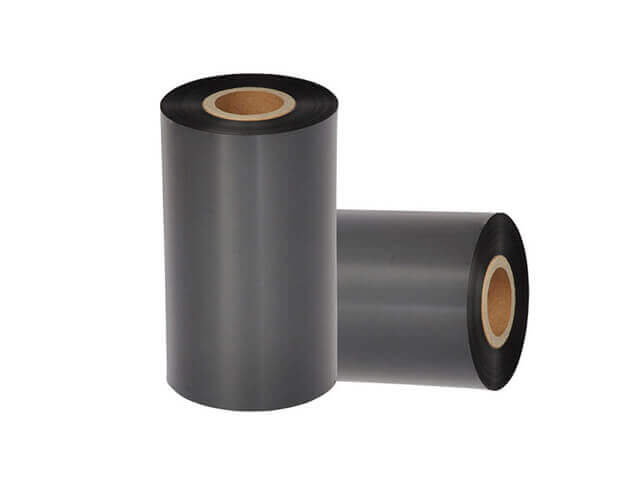
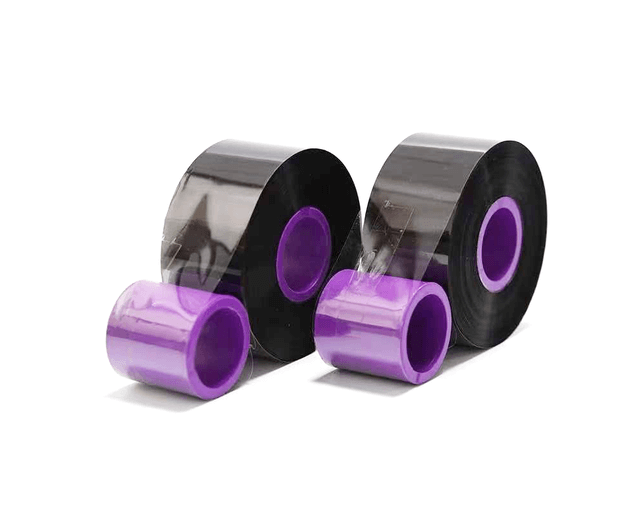
Thermal transfer ribbon is a special printing consumable widely used for printing on various materials. This technology uses heat to transfer ink from the ribbon to the print surface, resulting in sharp and long-lasting prints. In this blog, we’ll take an in-depth look at the description, applications and benefits of thermal transfer ribbons.
describe:
Thermal transfer ribbons consist of three parts: polyester film, release layer and ink coating. The polyester film acts as a carrier for the ink, while the release layer allows the ink to be released smoothly onto the printing surface. The ink coating is made from wax, resin, or a combination of both, and determines durability and print quality.
application:
Thermal transfer ribbons are widely used in various industries. One of the most common uses is barcode printing. Whether in retail, manufacturing or logistics, thermal transfer ribbons provide accurate and reliable barcode printing, which is critical for inventory management and tracking.
Another important application is product labeling. Thermal transfer ribbons enable businesses to print high-quality labels with product information, logos and branding, enhancing overall appearance and appeal. Furthermore, thermal transfer ribbons are widely used in the textile industry for printing labels on clothes and fabrics.
benefit:
1. Durability: Sublimation transfer ribbons have exceptional durability, ensuring that prints will not fade or smudge over time. This is especially important for labels and barcodes that need to withstand various environmental conditions such as humidity, heat and chemicals.
2. Printing quality: High resolution, sharp and clear printing can be achieved by using thermal transfer ribbon. This is especially beneficial for applications that require precise and readable printing, such as pharmaceutical labels or identification labels.
3. Versatility: Thermal transfer ribbons are available in a variety of ink formulations and can be used on a variety of substrates, including paper, plastic, polyester, fabric, and synthetics. This versatility enables businesses to meet different printing requirements without compromising quality.
4. Cost-effective: Despite its many advantages, thermal transfer ribbon is a cost-effective printing solution. They have a long shelf life and do not need to be replaced frequently, reducing the overall printing cost of the business.
in conclusion:
Thermal transfer ribbons are an integral part of many industries, providing reliable, high-quality printing solutions. From barcode printing to product labels, its durability, print quality, versatility and cost-effectiveness make it the first choice of businesses worldwide.
Understanding thermal transfer ribbon descriptions, applications and benefits can help businesses make informed decisions when meeting printing requirements. By harnessing the power of thermal transfer ribbon technology, businesses can ensure accurate, durable and professional prints that leave a lasting impression on customers and stakeholders.
Tags:
digital age, electronic communication, printing, industries, barcodes, shipping labels, high-quality printing solutions, thermal transfer ribbons, printing consumable, technology, heat transfer



In 1997, Zhuoli began to develop and produce ink rollers, barcode ribbons, thermal coding ribbons, TTO coding tapes and intelligent coding equipment.
Our Product
©1997- ZHUOLI IMGING. ALL RIGHTS RESERVED
Price Inquiry