
How to Distinguish Between Direct Thermal and Thermal Transfer Labels
Labels play an important role in many industries to identify products, items or documents. When it comes to choosing a label type, two common choices are direct thermal transfer and thermal transfer labels. While they may look very similar in appearance, they differ in how they work and where they are used. In this article, we’ll look at how to differentiate the two types of tags and give you some tips to make the right decision when choosing which one is right for your needs.
First, let’s look at direct thermal transfer labels. This type of label produces a printed image by contacting the label surface with a thermal print head. A heating element in the thermal printhead heats a special coating on the surface of the label to create text, graphics or a barcode. Direct heat transfer labels are typically used for temporary marking, logistics labels, or labels for short-term indoor use.
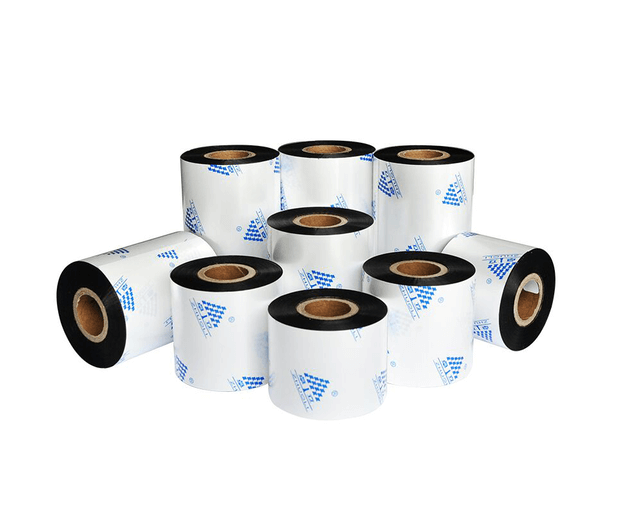
The opposite of direct thermal transfer labels are thermal transfer labels. Thermal transfer labels require the use of a thermal transfer tape to transfer the label image onto the material. The thermal transfer head heats the strip, and the ink dots in the strip dissolve and adhere to the label. This type of label is typically used in applications that require longer-lasting, increased durability, such as item labeling, shipment tracking, or outdoor signage.
So, how to distinguish between these two labels? Here are some key metrics:
Use environment: Direct heat transfer labels are suitable for indoor environments or labels that require short-term use. Thermal transfer labels are more suitable for outdoor use or labels that require longer life.
Durability: Direct thermal transfer labels are generally more susceptible to wear and fading than thermal transfer labels. Thermal transfer labels are more durable and resistant to harsh environmental conditions.
Print Quality: Since direct thermal transfer labels are in direct contact with the thermal printhead, they tend to be better in terms of print quality. Thermal transfer labels also offer high compatibility and customizability in terms of quality.
Cost Factor: Direct thermal transfer labels are usually less expensive than thermal transfer labels. However, in some cases, especially in applications that require greater durability and print quality, thermal transfer labels may be a better choice.
These indicators will be very helpful when choosing a tag that suits your needs. Make sure you understand your usage environment and expected requirements before purchasing, and choose the label type that is best for you.
Finally, by understanding the differences between direct thermal transfer and thermal transfer labels, you can make an informed choice. Considering the use environment, durability, print quality and cost factors can help you choose the label type that suits your needs. Whether you need temporary marking or a more durable application, making sure you choose the right label will help improve your productivity and product quality.
Tags:
#direct heat transfer label #heat transfer label #usage environment #durability #print quality #cost factor #label selection #product identification #logistics label #temporary label #durability #print quality #environmental adaptability #selection guide #label type copy




In 1997, Zhuoli began to develop and produce ink rollers, barcode ribbons, thermal coding ribbons, TTO coding tapes and intelligent coding equipment.
Our Product
©1997- ZHUOLI IMGING. ALL RIGHTS RESERVED
Price Inquiry