
What is the difference between hot foil stamping and embossing?
Hot foil stamping and embossing are two distinct techniques used in printing and design, each with its own characteristics and effects. Here are the key differences between them:
1. **Hot Foil Stamping**:
– **Process**: Hot foil stamping, also known as foil printing, involves the application of a thin layer of metallic or colored foil onto a surface. This is achieved by using a heated die or plate to press the foil onto the material.
– **Effect**: Hot foil stamping creates a shiny and metallic effect on the printed area. It can produce a wide range of metallic colors, including gold, silver, copper, and more. The result is a reflective and eye-catching finish.
– **Applications**: Hot foil stamping is commonly used for embellishing high-end products such as luxury packaging, business cards, invitations, book covers, and promotional materials.
2. **Embossing**:
– **Process**: Embossing is the technique of creating a raised pattern or design on a material’s surface by pressing it into the paper or cardstock. It is typically done using a custom-made die and a press to create the desired raised effect.
– **Effect**: Embossing creates a three-dimensional, raised pattern on the material, while the opposite side often shows a debossed or indented impression. Unlike hot foil stamping, embossing does not involve the use of metallic foils, so it is typically a single-color effect.
– **Applications**: Embossing is frequently used for adding texture and a tactile element to printed materials such as stationery, greeting cards, letterheads, logos, and packaging.
In summary, hot foil stamping primarily involves the application of metallic or colored foils to create a shiny and reflective effect, while embossing creates a raised or textured pattern on the material’s surface without the use of foils. Both techniques are used to enhance the visual and tactile appeal of printed items, but they offer different visual and textural effects, making them suitable for various design and printing applications.
Tags:
#Hot Foil Stamping #Embossing

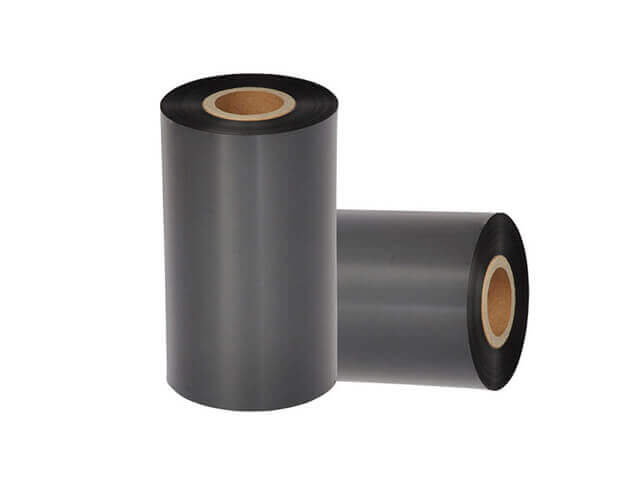


In 1997, Zhuoli began to develop and produce ink rollers, barcode ribbons, thermal coding ribbons, TTO coding tapes and intelligent coding equipment.
Our Product
©1997- ZHUOLI IMGING. ALL RIGHTS RESERVED
Price Inquiry