
What is the difference between direct transfer and thermal transfer?
Direct transfer and thermal transfer are two distinct methods of printing and image transfer, commonly used in label printing and other applications. Here are the key differences between them:
**Direct Transfer**:
1. **Process**:
– Direct transfer printing, also known as direct thermal printing, utilizes heat-sensitive paper or labels.
– It relies on direct heat from a printhead to create images on the heat-sensitive material.
– The printhead selectively heats the paper, causing it to darken in the areas where heat is applied, forming the desired image or text.
2. **No Ribbon Required**:
– In direct transfer printing, there is no need for an ink or ribbon cartridge.
– The image is directly transferred onto the heat-sensitive material without any additional consumables.
3. **Durability**:
– Direct transfer printing is generally less durable compared to thermal transfer printing.
– The images produced by direct transfer can fade over time, especially when exposed to heat, light, or humidity.
4. **Applications**:
– Direct transfer printing is commonly used for short-term applications such as shipping labels, receipts, and barcode labels.
– It is suitable for situations where durability is not a primary concern.
**Thermal Transfer**:
1. **Process**:
– Thermal transfer printing uses a thermal printhead to transfer ink from a ribbon onto the printing material.
– The ink on the ribbon is heated and transferred onto the material, creating a permanent image.
2. **Ribbon Required**:
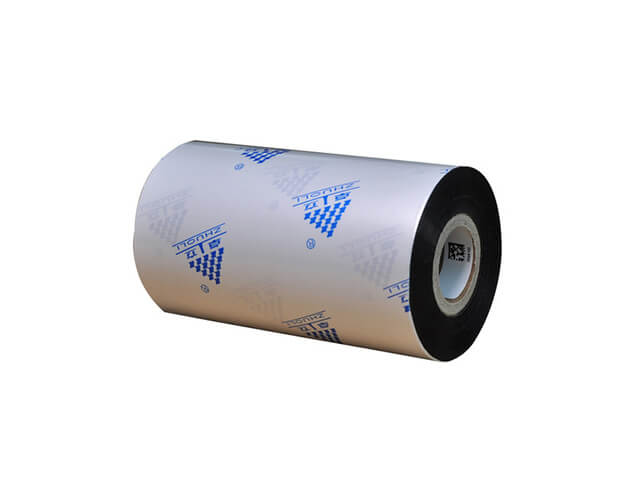
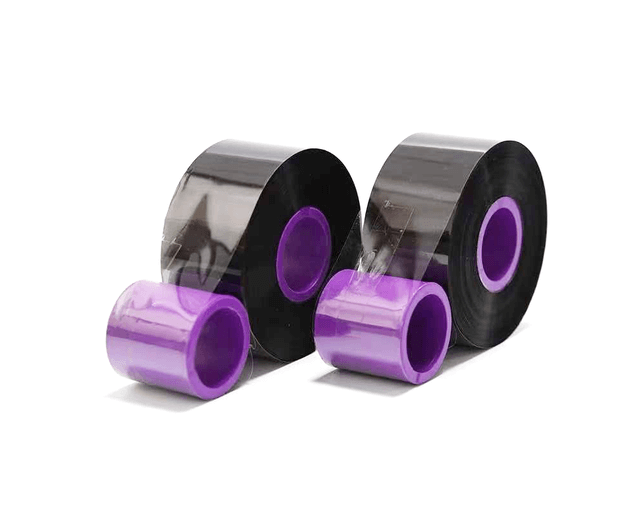
– Unlike direct transfer, thermal transfer printing requires a ribbon cartridge containing the ink or wax ribbon.
– The quality and durability of the print depend on the type of ribbon used.
3. **Durability**:
– Thermal transfer printing produces more durable and long-lasting images.
– The printed labels or images are resistant to environmental factors like heat, light, moisture, and abrasion.
4. **Applications**:
– Thermal transfer printing is ideal for applications where longevity and durability are crucial, such as product labels, asset tags, medical labels, and outdoor signage.
– It is suitable for situations where the printed material needs to withstand harsh conditions.
In summary, direct transfer printing relies on heat-sensitive paper and does not require a ribbon, making it suitable for short-term applications. On the other hand, thermal transfer printing uses ink ribbons and produces more durable and long-lasting prints, making it suitable for applications where longevity and resistance to environmental factors are important.
Tags:
#Thermal Transfer#Direct Transfer



In 1997, Zhuoli began to develop and produce ink rollers, barcode ribbons, thermal coding ribbons, TTO coding tapes and intelligent coding equipment.
Our Product
©1997- ZHUOLI IMGING. ALL RIGHTS RESERVED
Price Inquiry